Dr. Shubha H.V, Dr. Jyothi V. Shenoy
On most busy mornings, convenience silently shapes many of our daily choices. A bottle of packaged water picked up on the way to work, breakfast stored in a plastic container, groceries carried in plastic bags, or food deliveries wrapped in multiple layers of packaging as these habits have gradually become part of modern living.

For years, plastic was often viewed only as an environmental concern. However, increasing scientific evidence now suggests that plastic pollution may also pose significant risks to human health. My understanding of this issue deepened during repeated discussions with my gynecologist while undergoing treatment for severe endometriosis. During these consultations, the term “microplastics” appeared frequently in conversations related to hormonal health and reproductive disorders.
My gynecologist explained that researchers are increasingly studying how tiny plastic particles and plastic-associated chemicals may interfere with hormonal balance, inflammation, and reproductive health. She also expressed concern about growing exposure among children through feeding bottles, packaged foods, toys, and contaminated water sources. These discussions made me realize that plastic pollution is no longer only an environmental challenge rather it is rapidly emerging as a public health concern.
This growing awareness highlights the importance of International Plastic Free Day, observed annually on 3 rd July. The occasion serves as a global reminder that reducing plastic consumption is not only essential for protecting oceans and ecosystems, but also for safeguarding human health and future generations.
Understanding Microplastics and Human Exposure
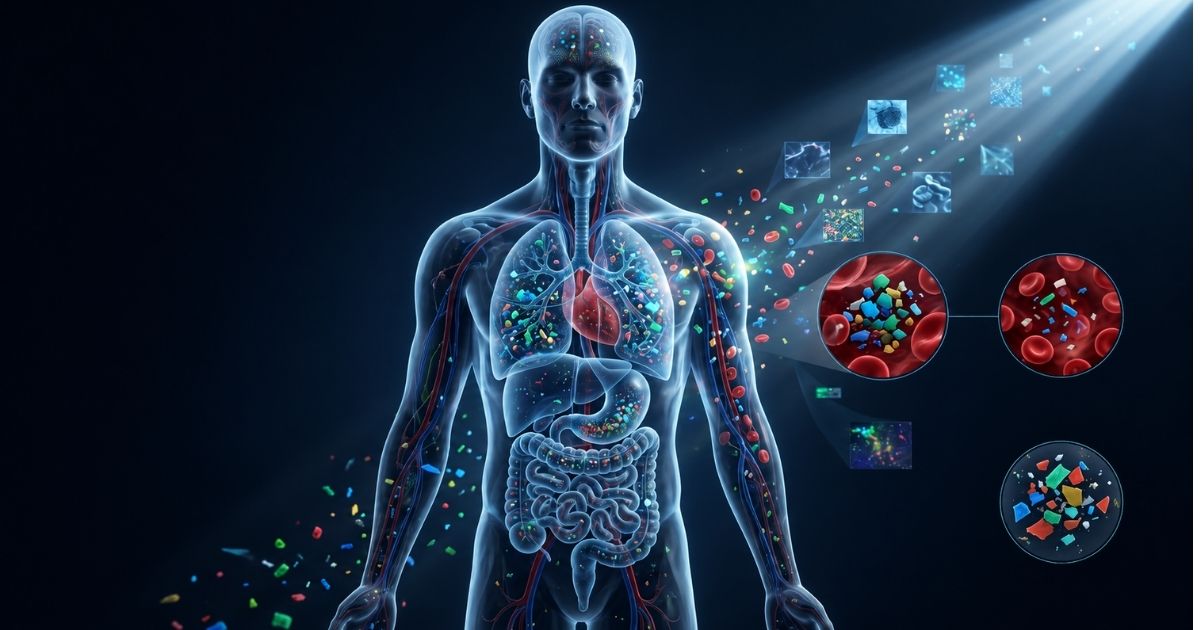
Microplastics are extremely small plastic particles formed when larger plastic materials break down over time due to sunlight, heat, friction, and environmental exposure. These particles have now been detected in water, air, food, and even human tissues. Everyday items such as disposable cups, takeaway containers, synthetic clothing, cosmetic products containing microbeads, plastic chopping boards, and plastic bottles exposed to heat can contribute to microplastic exposure. Because these particles are microscopic, they often enter the body unnoticed through ingestion, inhalation, or skin
contact.
Recent scientific studies have strengthened concerns regarding their impact on human health. Studies reported the presence of microplastics in human blood, while some studies identified microplastics in placental tissue. There was research that demonstrated their presence in human lung tissue. Emerging studies by Gullo and colleagues have also detected microplastics in endometrial tissue and endometrial polyps, raising important questions regarding chronic inflammation, hormonal imbalance, and reproductive health disorders.
Many chemicals associated with plastics, including Bisphenol-A (BPA) and phthalates, are recognized as endocrine disruptors. These substances can mimic or interfere with natural hormones, potentially affecting metabolic processes, fertility, and overall health. Beyond plastics themselves, prolonged exposure to chemicals present in certain perfumes, room fresheners, detergents, and cleaning agents may also contribute to endocrine disruption.
Small Lifestyle Changes Can Make a Difference

Although the scale of plastic pollution may appear overwhelming, meaningful change often begins with simple everyday choices. Carrying cloth bags, choosing reusable steel or glass containers, avoiding single-use plastics, and minimizing heavily packaged products are practical measures individuals can adopt.
Educational institutions also have a crucial role in building awareness among young people. Activities such as “Best Out of Waste” competitions encourage students to creatively reuse materials while consciously reducing plastic dependence. Schools and universities can further motivate students to prepare cloth and paper bags as part of environmental awareness initiatives that combine sustainability with creativity.
Reducing plastic dependence may seem like a small individual effort, but collective behavioral changes can create a lasting positive impact on both environmental sustainability and public health.
“The plastic we ignore today may become the health crisis we face tomorrow.”
Dr. Jyothi V. Shenoy, MD, FRCOG, CCT (UK), Chief Consultant in Obstetrics and Gynaecology at Manipal Hospitals, Yeshwantpur, Bengaluru whose insight and perspective inspired the core idea behind this article.”