Delhi is one of India’s densest urban regions, with 2011 population density of 11,320 persons/km², and North-East Delhi reaching 36,155 persons/km² . Recent reports suggest Delhi’s population may now be around 2.3 crore, increasing pressure on emergency access, roads, hospitals, and ambulance systems .
Delhi also has a rising elderly-care challenge. Nationally, India had 10.38 crore senior citizens in 2011, projected to reach 17.32 crore by 2026 . Delhi-specific elder surveys report problems such as chronic illness, loneliness, digital exclusion, unmet health needs, and elders living alone or only with a spouse . This creates a special risk group in RWAs: elderly residents in high-rise apartments, gated colonies, or affluent colonies whose children live abroad and who depend on domestic staff, guards, drivers, or neighbours during emergencies.
Clinic / Hospital Waiting-Time Issue
In Delhi and similar Indian hospital systems, emergency and OPD delays are common. One emergency OPD study found that around 71% of waiting was due to internal emergency-department factors, while 26% related to external causes . In practical RWA settings, the problem is not only ambulance arrival; it is the full chain:
Symptom starts → family/staff recognizes emergency → security/gate clearance → lift/stretcher movement → ambulance arrival → travel → hospital triage → doctor assessment.
For elderly residents, confusion, panic, lack of trained attendants, high floors, and security delays can increase this “door-to-care” time.

Ambulance Response in Delhi
Delhi’s CATS system has formal response targets: 80% of dispatched calls should reach within 15 minutes, and 90% within 20 minutes . However, a 2025 report stated the average response time had increased to over 17 minutes . Another South Delhi ambulance-location study suggested existing coverage could take up to 22 minutes, while optimized placement could reduce this to 13 minutes .
CATS has ALS and BLS ambulances. Delhi CATS information states ALS ambulances carry equipment such as transport ventilator, defibrillator-cum-monitor, syringe pump, lifesaving injections, and trained personnel . A 2025 report noted Delhi’s CATS network was planned to expand to 319 ambulances, including 53 ALS and 213 BLS ambulances . I did not find clear official evidence that routine CATS ambulances have full two-way telemedicine systems; available information confirms ALS life-support equipment, not universal telemedicine.
Why People May Prefer Private Vehicle in Delhi
It is plausible in Delhi that families often prefer taking patients by private car because of fear of delay, traffic, uncertainty about ambulance availability, panic, and proximity to hospitals. However, for serious symptoms such as chest pain, stroke signs, collapse, severe breathlessness, seizure, or altered consciousness, supervised ambulance transfer is generally safer because trained staff can monitor, oxygenate, defibrillate, and communicate with hospital teams. EMS transport in STEMI studies has been associated with shorter treatment timelines in some settings , though results vary depending on local systems .
Is Personal Vehicle Safe?
A private vehicle may be faster in some cases, but it is riskier when the patient may deteriorate en route. Family members and guards are usually not trained in safe lifting, airway positioning, CPR, oxygen use, or monitoring. In high-rise RWAs, the safest model is:
Call ambulance + activate trained RWA emergency responder + prepare lift/gate access + keep nearest emergency hospital informed.
This avoids losing time while still bringing supervised care closer to the apartment.
Can Emergency Auto-Injectors Save Lives?
Auto-injectors are useful only for selected emergencies and only when the correct drug, indication, and trained supervision exist. For example, adrenaline/epinephrine auto-injectors are well-established for severe allergic reactions/anaphylaxis. For heart attack, there is no simple public “heart attack auto-injector” equivalent; survival depends more on early recognition, ECG, aspirin where medically appropriate, defibrillation if arrest occurs, and rapid access to PCI-capable care. For cardiac arrest, early CPR and defibrillation are the key survival interventions; public-access AED programmes are strongly supported internationally .
Disease-Care Matrix for RWAs
| Emergency case | Time-sensitive risk | RWA-level gap | Useful supervised intervention |
| Cardiac arrest | Minutes | No CPR/AED, panic, lift delay | CPR + AED + ambulance |
| Heart attack/STEMI | Golden hour | Delay in ECG/transport | EMS triage, ECG pathway, rapid hospital transfer |
| Stroke | 3–4.5 hr window for some treatments | Delay recognizing FAST signs | Rapid stroke-centre transfer |
| Anaphylaxis | Minutes | No trained first responder | Prescribed epinephrine auto-injector under protocol |
| Severe asthma/COPD distress | Minutes–hour | No oxygen/nebulization support | Oxygen/bronchodilator under care provider |
| Diabetic hypoglycemia | Minutes–hour | Confusion mistaken as weakness | Glucose/glucagon protocol by trained personnel |
| Falls/fracture in elderly | Variable | Unsafe lifting by guards/family | Trained transfer, immobilization, ambulance |
Core Argument for Delhi RWA Model
Delhi RWAs, especially in high-income gated colonies and high-rise apartments, need a preventive and emergency-readiness layer between home and hospital. The model could include resident health registry, elderly-alone list, emergency contact mapping, trained security/volunteer responders, AEDs, stretcher-compatible lift protocol, ambulance gate priority, and linkage with nearest hospitals. This is especially relevant for elderly residents living alone, elderly couples, and families abroad who depend on domestic support staff.

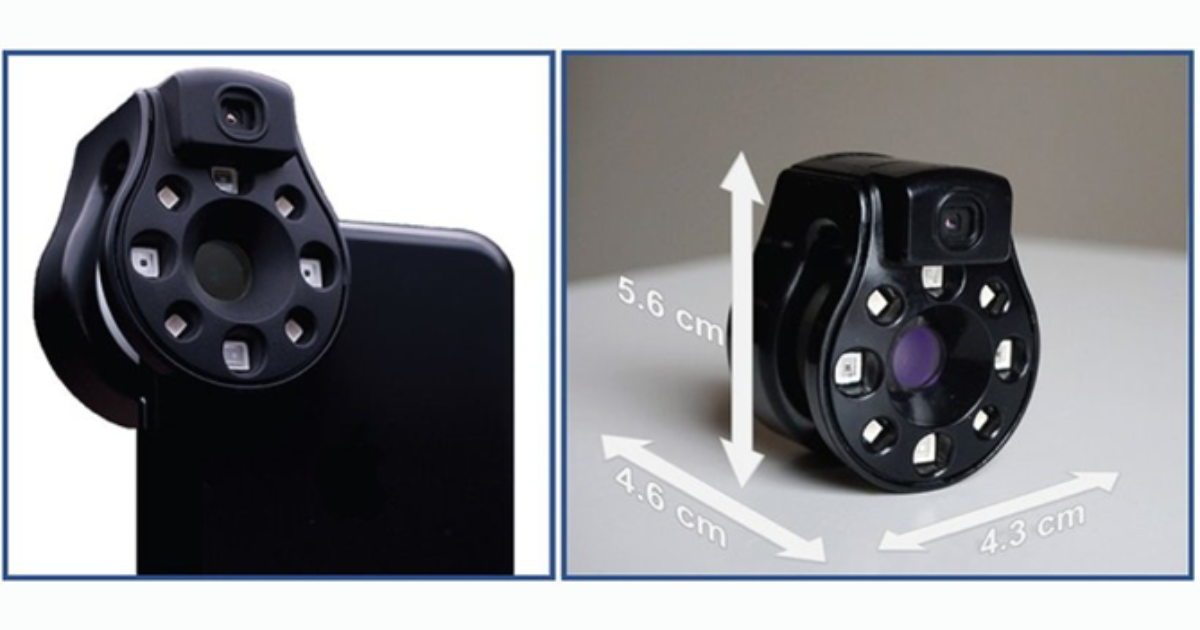
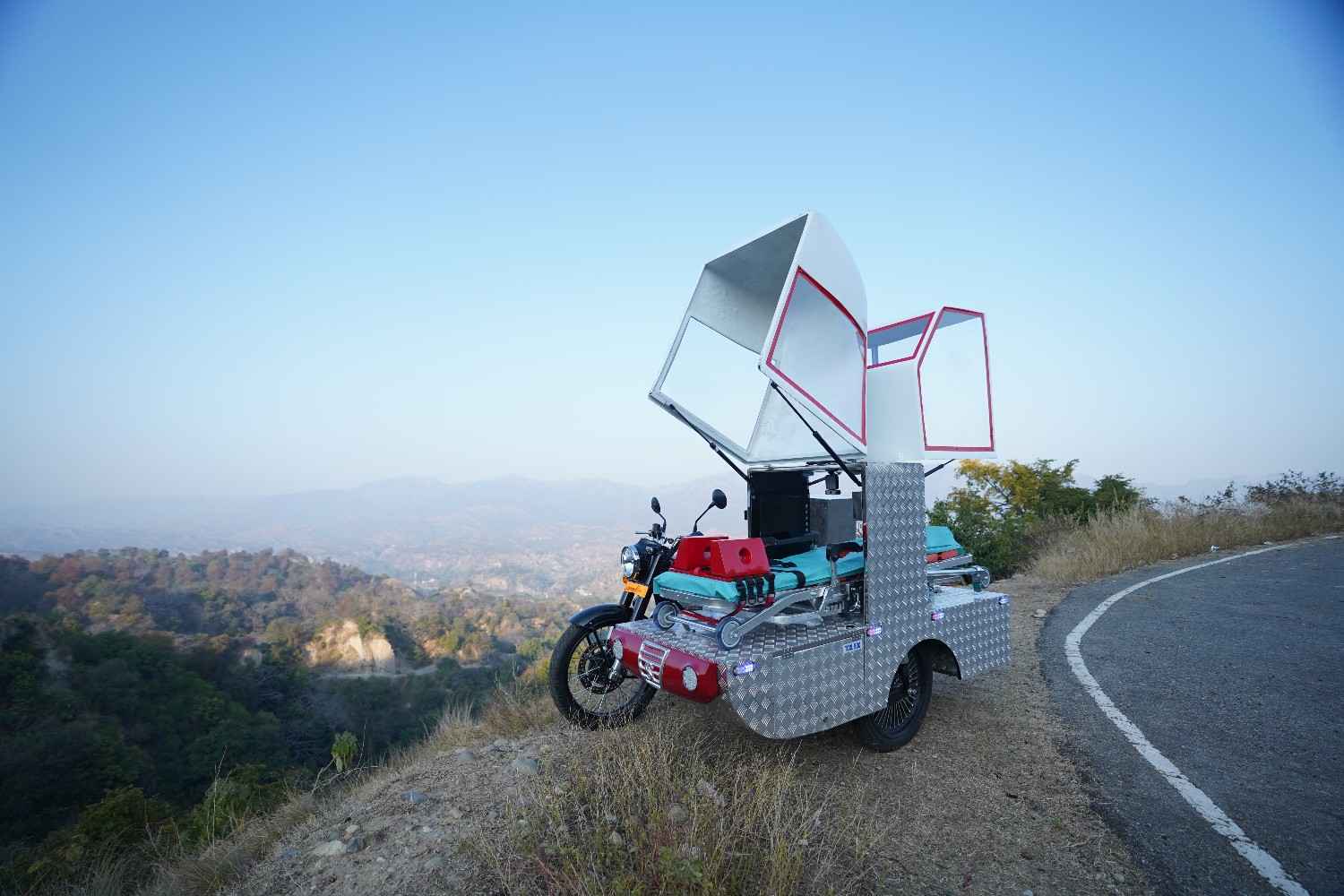
The Motolance concept further bridges the gap between home-based emergencies and definitive hospital care by functioning as a mobile monitoring and stabilization platform rather than merely a transport vehicle. Once the patient is transferred from the apartment to the Motolance, continuous monitoring can be maintained using integrated multi-channel vital monitoring systems while remote physicians guide management through telemedicine support. Depending on the patient’s condition, the physician may advise immediate evacuation to the nearest emergency department, continued observation under supervised care, or waiting safely for an Advanced Life Support (ALS) or Critical Care Ambulance if higher-level interventions are anticipated. During this period, the patient remains under professional supervision rather than relying solely on family members, security guards, or domestic staff who may have limited medical training and may be uncertain how to safely move or monitor a patient. Features such as independent power supply, enclosed patient chamber, vibration-dampening transport system, portable oxygen, emergency kits for airway, bleeding, fracture and burn management, two-way communication capability, telemedicine-enabled decision support, and rapid maneuverability through dense urban environments allow the Motolance to function as the “first access to emergency care.” Within large RWAs, this model has the potential to create a paradigm shift from reactive emergency response to proactive community healthcare, strengthening resident confidence, supporting vulnerable elderly populations, reducing avoidable delays, and fostering a culture where the residential community functions as an extended family capable of providing timely and coordinated assistance during the most critical moments.
Self-Sustainable Model
A representative Delhi RWA cluster may comprise three to five residential towers of 12–15 floors each, with approximately 60 apartments per tower and an average family size of four to five members, resulting in a covered population of approximately 1,000–1,200 residents, including 100–120 elderly individuals and a substantial dependent support workforce of security, housekeeping, and maintenance personnel.
Residents of Delhi’s gated communities routinely contribute several thousand rupees per month towards security, housekeeping, landscaping, clubhouse operations, fitness facilities, and lifestyle amenities. Even among smaller RWAs with only 20–40 apartments, residents commonly contribute approximately ₹250–500 per person per month towards such collective services. However, despite these expenditures, most residential complexes still lack a dedicated rapid-response healthcare capability capable of reaching an elderly resident within minutes during a medical emergency. The contrast highlights an opportunity for RWAs to evolve from providers of lifestyle infrastructure to providers of life-saving infrastructure.
For a representative Delhi RWA cluster comprising five residential buildings (~1,350 residents; ~300 families), a self-sustainable Twin-Motolance model can be established through a one-time capital investment of approximately ₹30 lakh, covering a fully equipped motorbike ambulance with evacuation side-car, solar-powered support systems, telemedicine connectivity, emergency medical devices, and supporting infrastructure. This translates to a one-time contribution of approximately ₹10,000 per family.
Operationally, the system functions as a localized 24×7 Micro-EMS hub providing emergency response, on-site stabilization, telemedicine-assisted consultations, preventive health support, and safe evacuation. Based on the MLS operational model, the monthly recurring cost is approximately ₹1.30 lakh, equivalent to only ₹96-₹120/- per resident per month, ₹3.20 per day, or ₹0.13 per hour for continuous emergency-care readiness, excluding telemedicine subscriptions as it will cost individually as per usage time of 15 min increment interval. For a typical family of 4–5 members, this corresponds to approximately ₹430–480 per month, creating an affordable community-funded healthcare safety net within high-rise RWAs.
Return on Investment
This investment provides quarterly preventive health assessments, routine first-aid support, telemedicine-assisted consultations, elderly monitoring, blood-pressure and vital-sign screening, minor injury management, blood sample collection, vaccination support, and immediate emergency evacuation capability. Compared with a typical private OPD visit in Delhi costing ₹500–1,500 in consultation fees alone, excluding transportation, parking, attendant time, and 2–4 hours of lost productivity, even two avoided OPD visits annually can offset a significant portion of the annual resident contribution.
The fixed-sidecar community health unit can function as a trusted healthcare access point within the residential complex, particularly benefiting elderly residents, women, children, and patients with chronic diseases. Regular monitoring of blood pressure, glucose, oxygen saturation, temperature, and if required also ECG in addition to other basic parameters can help identify developing health issues before they escalate into emergencies (A single walk-in BP and ECG assessment in Delhi may cost ₹200–500 for diagnostics alone and ₹800–2,500 when transportation, consultation, and waiting time are included.). Telemedicine subscriptions integrated with the service can provide physician guidance for non-critical conditions, reducing unnecessary hospital visits while maintaining continuity of care. Partnerships with diagnostic laboratories can facilitate home or community-based sample collection, potentially eliminating collection charges through bulk contracts (even saving cost of one home visit which generally ₹ 100/- can offset cost of EMS per resident), while vaccination drives, seasonal health campaigns, and preventive screening programmes can be organized directly within the community through collaboration with healthcare providers.
The evacuation Motolance remains available round-the-clock with a trained care provider capable of immediate response, first aid, stabilization, oxygen support, and telemedicine-assisted decision-making if required (Many Delhi ambulance providers currently quote BLS services in the range of ₹1,500–3,500 depending on distance, waiting time, equipment, and provider). In situations requiring Advanced Life Support or Critical Care Ambulances, the patient can be assessed, monitored, and stabilized while awaiting definitive transport. The use of a compatible medical stretcher reduces repeated lifting and transfer delays, an important consideration when managing trauma, stroke, cardiac symptoms, respiratory distress, or frail elderly patients. Such early intervention can reduce panic, improve decision-making, shorten time-to-care, and potentially improve outcomes during the critical “golden hour.”
In conclusion, at just ₹5 per resident per day, the Twin-Motolance Community Health Unit provides preventive healthcare, telemedicine, diagnostics support, elderly care, and 24×7 emergency readiness. The savings from a single avoided OPD visit, BP–ECG assessment, home collection charge, or ambulance evacuation can offset months of contribution, while faster response and supervised stabilization may save lives during critical emergencies.